Understanding CNC Machined Stainless Steel Parts
CNC (Computer Numerical Control) machining of stainless steel parts has become an essential process in modern manufacturing, praised for its precision and versatility across various industries. This technique allows for the production of intricate components that meet specific design specifications, making it a popular choice for applications ranging from aerospace to medical devices. When exploring options, cnc machined stainless steel parts offer a unique blend of strength, durability, and corrosion resistance that is unmatched by many other materials.
What are CNC Machined Stainless Steel Parts?
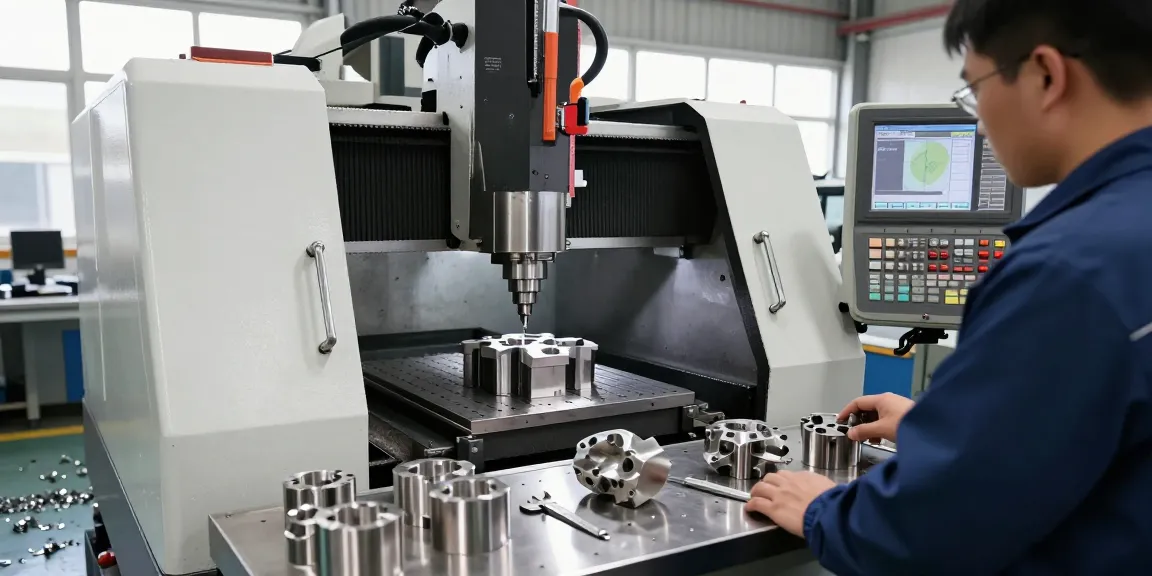
CNC machined stainless steel parts refer to components created using CNC technology where stainless steel is the primary material. This involves the use of computer-controlled machines to remove material from a stainless steel block, allowing for the creation of highly intricate shapes and features. Due to the inherent properties of stainless steel, such as high tensile strength and resistance to oxidation, these parts are ideal for demanding environments where reliability is critical.
Benefits of Using Stainless Steel in CNC Machining
- Corrosion Resistance: Stainless steel is highly resistant to rust and corrosion, making it suitable for applications in harsh environments.
- Durability: Components made from stainless steel exhibit high strength and durability, ensuring a long service life.
- Versatility: The material can be machined into complex shapes and sizes, catering to various industry needs.
- Aesthetic Appeal: Stainless steel has a clean, polished finish that is visually appealing for consumer products.
Common Applications Across Industries
CNC machined stainless steel parts find applications in diverse sectors including:
- Aerospace: For components in aircraft and spacecraft due to their strength-to-weight ratio.
- Medical Devices: Surgical instruments and implants where biocompatibility is vital.
- Food and Beverage: Equipment that requires hygiene and easy cleaning.
- Automotive: Various parts requiring high performance and resistance to wear.
Key Processes in CNC Machining of Stainless Steel
Overview of CNC Machining Techniques
The CNC machining process includes several techniques such as milling, turning, and grinding, all tailored to shape stainless steel parts effectively. Milling involves the use of rotating cutters to remove material, while turning is a process where the workpiece rotates against a stationary cutting tool. Grinding is often used for finishing operations to achieve a smooth surface finish, essential for many applications.
Challenges in Machining Stainless Steel
While CNC machining of stainless steel is beneficial, it does come with challenges. The hardness of stainless steel can lead to tool wear, necessitating the use of specialized tools and cutting fluids designed for high-performance machining. Additionally, managing heat generation during the machining process is crucial to prevent warping and maintain precision.
Best Practices for Precision and Efficiency
To enhance efficiency and precision when machining stainless steel parts, consider the following best practices:
- Tool Selection: Use tools specifically designed for stainless steel to minimize wear.
- Cooling Techniques: Implement effective cooling methods to manage temperature and improve surface finish.
- Optimal Speeds and Feeds: Adjust cutting speeds and feed rates based on the specific grade of stainless steel.
Choosing the Right Stainless Steel Grades for CNC Machining
Common Grades and Their Properties
Several stainless steel grades are commonly used in CNC machining, including:
- 304 Stainless Steel: Known for its excellent corrosion resistance and ease of fabrication.
- 316 Stainless Steel: Offers enhanced corrosion resistance, especially in marine environments.
- 410 Stainless Steel: A martensitic stainless steel known for its strength and hardness, though less corrosion-resistant.
Factors Influencing Material Selection
When selecting the appropriate stainless steel grade, consider factors such as the operating environment, required mechanical properties, and the intended application of the machined parts. For example, medical applications may require higher biocompatibility and cleanliness standards, while aerospace applications might prioritize weight and strength ratios.
Cost Considerations in Material Choice
Cost is a significant factor in material selection for CNC machined parts. While higher-grade stainless steels may come with a premium price tag, their benefits in terms of performance and longevity can lead to lower total costs in the long run. It's essential to perform a cost-benefit analysis based on expected performance and application demands.
Quality Control and Inspection of Machined Parts
Importance of Quality Assurance in CNC Machining
Ensuring quality in CNC machining is vital to produce parts that meet strict specifications and regulations. Quality assurance processes must be implemented throughout the manufacturing cycle, from the initial design to the final inspection of finished components.
Methods of Inspection for Precision Parts
Common methods of inspection include:
- Dimensional Inspection: Verifying that parts meet specified dimensions using calipers, micrometers, and coordinate measuring machines (CMM).
- Visual Inspection: Checking for surface defects and overall part integrity.
- Functional Testing: Assessing whether parts perform as intended in their applications.
Regulatory Standards for Safety and Performance
CNC machined parts, especially in the medical and aerospace fields, must comply with various regulatory standards such as ISO certification and FDA regulations. Understanding these standards is critical to ensuring your products are market-ready and safe for use.
Future Trends in CNC Machining and Stainless Steel Parts
Technological Advances in CNC Machinery
As technology progresses, CNC machining is becoming more streamlined and efficient. The integration of AI and machine learning into CNC systems is expected to enhance precision, reduce waste, and improve production times. Furthermore, advancements in 3D printing technologies may also complement CNC capabilities, allowing for even more complex geometries.
Sustainability Practices in Stainless Steel Production
In response to growing environmental concerns, manufacturers are increasingly looking towards sustainable practices in the production of stainless steel. This includes recycling scrap metal and reducing energy consumption during the manufacturing process, which not only helps the environment but can also reduce costs.
Predictions for 2026 and Beyond
Looking forward, the demand for CNC machined stainless steel parts is expected to rise, driven by advancements in technology and the need for high-quality components in emerging industries. As sectors like renewable energy and biotechnology expand, the adaptability and performance of stainless steel will make it a material of choice for CNC machining, ensuring its relevance well into the future.
What is CNC machining?
CNC machining is a subtractive manufacturing process where a computer program controls the movement of machinery to create parts from various materials, including metals, plastics, and wood. The process is known for its precision and ability to produce complex geometries.
How does the material choice affect part performance?
The choice of material significantly impacts the mechanical properties, durability, and suitability of a component for specific applications. For instance, selecting a material with high corrosion resistance is crucial for parts used in environments prone to moisture and harsh conditions.
What industries benefit most from CNC machined stainless steel parts?
Industries such as aerospace, automotive, medical, and food processing benefit greatly from CNC machined stainless steel parts due to their demand for high-performance components that withstand rigorous conditions.
What quality control measures are essential?
Essential quality control measures include dimensional inspections, functional testing, and adherence to regulatory standards to ensure that CNC machined parts consistently meet the required specifications.
What are the emerging trends in CNC machining technology?
Emerging trends in CNC machining technology include increased automation, the adoption of AI for predictive maintenance, and the integration of additive manufacturing techniques to create hybrid processes that enhance production capabilities.