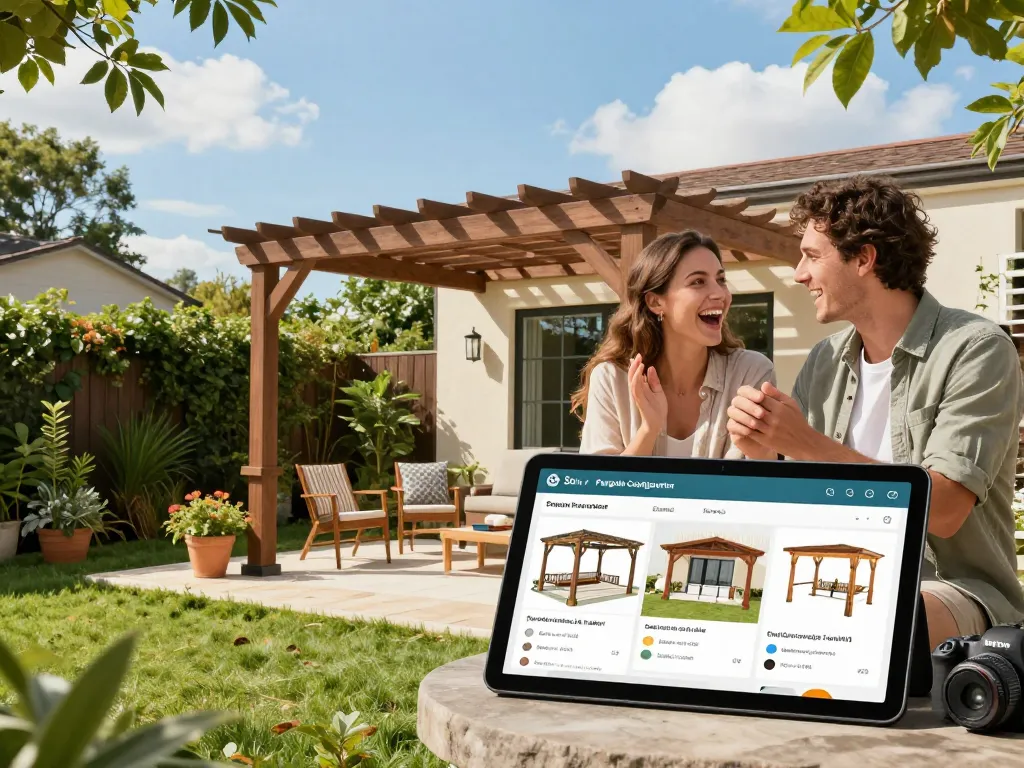
Understanding the 3D Pergola Configurator
In today's competitive outdoor living market, the 3D Pergola Configurator serves as an indispensable tool for businesses looking to enhance their customer engagement and streamline their sales processes. By allowing users to visualize their outdoor spaces in intricate detail, these configurators empower both sellers and buyers in a previously unattainable way. This article will explore the various components of a 3D Pergola Configurator, its benefits, and how it addresses common challenges faced by sellers in this industry.
What is a 3D Pergola Configurator?
A 3D Pergola Configurator is an interactive software platform that enables users to design and visualize pergolas, verandas, and garden rooms in three dimensions. This technology allows customers to customize their designs by selecting dimensions, materials, colors, and features in real time. The configurator acts as a bridge between a customer’s vision and the final product, offering a realistic preview that showcases how a completed structure will look once installed.
Key Features and Benefits
- Real-Time Customization: Customers can see changes in real time, making decisions based on what they see rather than abstract drawings.
- Instant Pricing: As customers adjust their designs, they receive immediate pricing updates, ensuring transparency and trust.
- Professional Quotes: The configurator generates polished quotes that can be presented to clients for approval or customization.
- User-Friendly Interface: Designed for ease of use, these configurators can be operated by customers with varying levels of technical expertise.
How It Works: A Simple User Guide
Utilizing a 3D Pergola Configurator is straightforward. Users begin by selecting the type of structure they wish to design. They can then input their desired specifications, including dimensions and materials. As users make changes, the configurator updates the visual representation and pricing in real-time, allowing for interactive discussions and immediate modifications. Finally, once a design is finalized, users can generate a detailed quote and schedule installation seamlessly through the platform.
Benefits of Using a 3D Pergola Configurator
Enhanced Visualization for Clients
The ability to visualize designs in three dimensions significantly enhances the customer experience. Clients can see exactly what their pergola will look like in their space, which helps them make more informed decisions. By enabling customers to engage with their design virtually, businesses can foster a sense of ownership and commitment to the project.
Streamlined Sales Process: From Inquiry to Installation
A 3D Pergola Configurator integrates multiple stages of the sales process into a single platform. From initial customer inquiries to the final installation, every step can be tracked, managed, and executed within the system. This streamlining eliminates the need for disparate tools and reduces the likelihood of errors, ensuring a seamless experience for both sellers and customers.
Cost-Effective Solutions and Accurate Pricing
By providing real-time pricing and detailed breakdowns during the design phase, businesses can offer accurate quotes that reflect the true costs associated with each project. This not only builds trust with clients but also helps to manage budgets effectively. Moreover, by automating pricing calculations, businesses save time and reduce operational costs.
Common Challenges and How to Overcome Them
Typical User Pain Points with Configurators
Despite their many advantages, users of 3D configurators frequently encounter challenges. Some of the most common pain points include technical glitches, a steep learning curve, and a lack of customization options. To mitigate these issues, companies can invest in high-quality software solutions that prioritize user experience and offer comprehensive customer support.
Adapting to Diverse Customer Needs
Not every customer will have the same requirements or preferences. Configurators must be adaptable to accommodate a variety of design needs and aesthetic choices. This adaptability can be achieved through flexible software that allows for a wide range of materials, styles, and configurations, catering to diverse client bases.
Integrating with Existing Business Workflows
Businesses must ensure that their configurators can seamlessly integrate with existing CRM and project management tools. This integration enhances operational efficiency by streamlining data flow and ensuring all team members can access relevant information without having to switch between multiple platforms.
Best Practices for Configuring Your Outdoor Space
Design Principles for Visual Appeal
When designing a pergola or garden room, it is essential to consider aesthetic appeal alongside functionality. Utilizing design principles such as balance, harmony, and proportion can lead to visually striking results. Professionals should also consider the surrounding landscape to ensure designs complement the existing environment.
Choosing the Right Materials and Styles
The choice of materials and styles significantly impacts both the appearance and longevity of outdoor structures. Selecting durable, weather-resistant materials ensures that the pergola retains its beauty over time. Popular materials include wood, aluminum, and composite materials, each offering unique benefits and aesthetics.
Interactive Customer Engagement Techniques
Engaging customers interactively during the design process increases buyer satisfaction and can lead to higher sales. Techniques such as live consultations, where clients can ask questions and see changes in real time, create a collaborative environment that encourages client input and satisfaction.
Future Trends in 3D Configuration Technology
Emerging Technologies in Outdoor Configurations for 2026
As technology continues to evolve, so too will the capabilities of 3D configurators. Emerging technologies like artificial intelligence (AI) and machine learning will enable more personalized experiences, allowing configurators to recommend styles and features based on individual user preferences and previous designs.
The Role of Augmented Reality in Design
Augmented reality (AR) is set to revolutionize the way customers engage with outdoor design. By overlaying digital models onto real-world environments, AR can help clients visualize how a pergola will integrate into their outdoor spaces seamlessly. This technology will further enhance the interactive nature of 3D configurators, providing immersive experiences that drive conversions.
Predictions for the Outdoor Living Market
As more homeowners invest in their outdoor spaces, the demand for customizable solutions will grow. We can expect a shift towards integrated technologies that offer clients more control over their projects, longer-lasting materials, and designs that enhance outdoor living experiences.
What are the automation capabilities of 3D configurators?
Automation capabilities of 3D configurators include instant pricing, automated quote generation, and follow-up reminders. These features save time and minimize errors, enabling businesses to focus on closing deals and enhancing customer relationships rather than getting bogged down in administrative tasks.
How to maximize your sales with a 3D configurator?
To maximize sales, businesses should leverage the configurator’s capabilities by integrating it into their marketing strategies. This includes promoting the configurator on websites and social media, training sales teams to utilize the tool effectively, and offering promotional incentives for new customers who engage with the configurator.
Can I customize the configurator for my specific needs?
Yes, many 3D configurators offer customization options that allow businesses to tailor the tool to their specific processes and branding. Choosing a configurator that provides these customization features can enhance user experience and align with business objectives.
What support is available for using a 3D configurator?
Support for 3D configurators typically includes online resources such as tutorials, customer service representatives, and community forums. Businesses should seek a provider that offers robust support to ensure users can navigate the configurator effectively and resolve any issues promptly.
What’s the ROI of using a 3D configurator?
The ROI of employing a 3D configurator can be substantial. By streamlining the sales process, reducing errors, and improving customer satisfaction, businesses can see increased sales and a stronger conversion rate. Moreover, the time and cost savings associated with improved efficiency contribute to overall profitability.