The Science Behind Astaxanthin: What You Need to Know
Astaxanthin, a powerful carotenoid and antioxidant, is gaining significant attention in both health and wellness circles. Found predominantly in microalgae, as well as in certain seafood like salmon and shrimp, this vibrant pigment is celebrated for its numerous health benefits. As consumers become more health-conscious and seek natural supplements to enhance well-being, understanding the science behind astaxanthin is essential. When exploring options, astaxanthin provides comprehensive insights into its origins, benefits, and how it can play a role in a balanced diet.
What is Astaxanthin and its Origins?
Astaxanthin is a keto-carotenoid that gives certain algae, shrimp, and fish their characteristic pink-red color. It is primarily produced by the microalga Haematococcus pluvialis, which is considered one of the richest natural sources of astaxanthin. This compound is unique among antioxidants due to its ability to cross the blood-brain barrier and provide neuroprotective benefits. Astaxanthin's origins can be traced back to its role in the aquatic food chain, where it helps organisms combat oxidative stress caused by UV radiation and environmental factors.
The Benefits of Astaxanthin for Health
Astaxanthin is heralded for its myriad health benefits, which include:
- Powerful Antioxidant Properties: Astaxanthin is over 6000 times more potent than vitamin C and significantly more effective than other antioxidants.
- Anti-Inflammatory Effects: Research shows that astaxanthin can reduce inflammation by inhibiting inflammatory markers, which may aid in managing chronic diseases.
- Eye Health: It supports eye health by protecting against oxidative damage and may reduce the risk of age-related macular degeneration.
- Skin Health: Astaxanthin can improve skin elasticity, reduce the appearance of fine lines, and protect the skin from UV damage.
- Cardiovascular Benefits: It supports heart health by improving blood flow and reducing blood pressure levels.
- Exercise Performance: Many athletes utilize astaxanthin for its potential to enhance endurance and recovery after physical exertion.
Research Studies Supporting Astaxanthin's Effectiveness
Numerous studies have investigated the health benefits of astaxanthin. For instance, a study published in the Journal of Clinical Biochemistry and Nutrition highlighted astaxanthin's ability to improve the antioxidant status of the body, leading to enhanced overall health. Another research piece in Marine Drugs emphasized its role in reducing exercise-induced oxidative stress and inflammation in athletes. These findings underscore the potential of astaxanthin as a multifunctional supplement that may benefit a wide range of individuals seeking to optimize their health.
Astaxanthin in Your Diet: How to Incorporate It
Natural Sources of Astaxanthin
Incorporating astaxanthin into your diet can be achieved through various natural sources. The most potent dietary sources include:
- Salmon: Wild-caught salmon is renowned for its high astaxanthin content, contributing both to its pink coloration and health benefits.
- Shrimp and Krill: These seafood options are also rich in astaxanthin and offer a delicious way to add this antioxidant to your diet.
- Microalgae Supplements: For those who prefer plant-based options, microalgae supplements such as Haematococcus pluvialis are available and provide a concentrated dose of astaxanthin.
Supplement Forms: What to Consider
When considering astaxanthin supplementation, it's essential to pay attention to the quality and source of the product. Look for supplements that:
- Are derived from natural sources, ideally from microalgae.
- Contain a minimum of 4 mg of astaxanthin per serving, as this dosage has been shown to be effective in various studies.
- Are tested for purity and potency to ensure you are receiving a high-quality product.
Creating Healthy Recipes with Astaxanthin
Integrating astaxanthin into your meals can be both delightful and nutritious. Consider these simple recipe ideas:
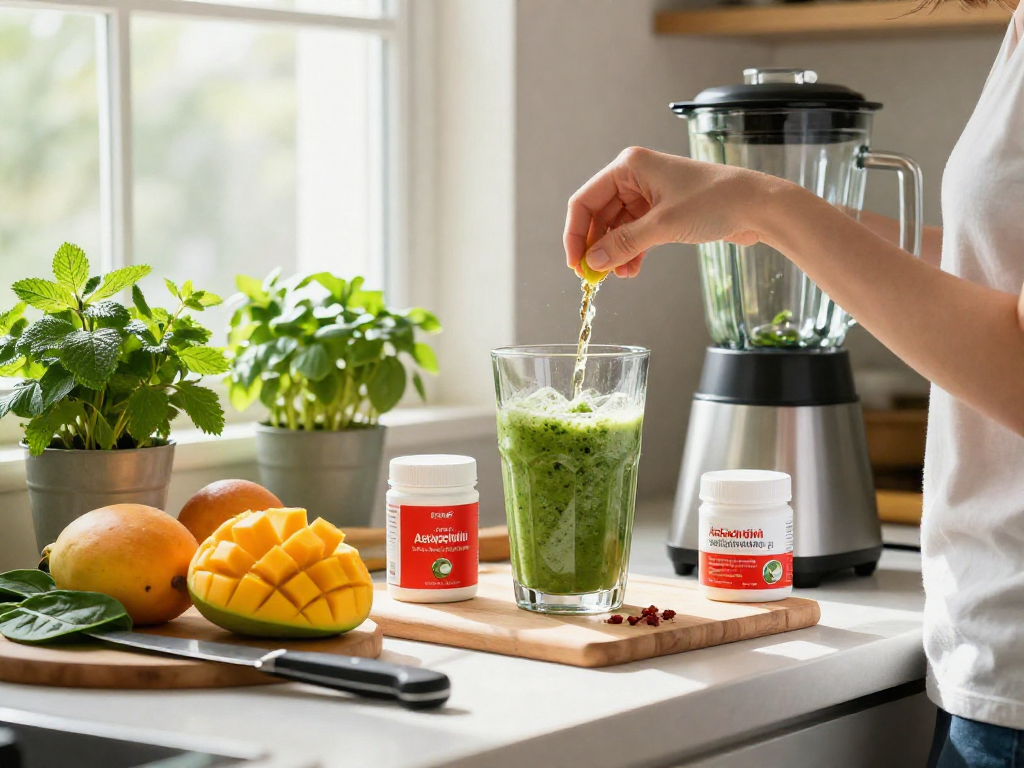
- Astaxanthin Smoothie: Blend frozen wild salmon (cooked), spinach, a banana, and a scoop of astaxanthin powder for a nutrient-packed smoothie.
- Shrimp Stir-Fry: Quickly sauté shrimp with colorful veggies and serve over quinoa or brown rice, drizzling with astaxanthin-rich oil for added flavor.
- Astaxanthin Salad: Toss together leafy greens, cherry tomatoes, avocado, and grilled salmon, with a lemon-olive oil dressing.
Potential Side Effects and Considerations
Understanding Dosage Recommendations
The recommended dosage of astaxanthin typically ranges from 4 mg to 12 mg per day for adults, depending on health goals and individual needs. It's advisable to start with a lower dose and gradually increase it while monitoring your body's response. Always consult with a healthcare provider before beginning any new supplement regimen, especially if you have underlying health conditions or are pregnant.
Who Should Avoid Astaxanthin?
While astaxanthin is generally considered safe for most individuals, certain groups should exercise caution. Those who are allergic to seafood or have specific sensitivities may want to avoid astaxanthin derived from marine sources. Additionally, individuals on blood-thinning medications should consult with their healthcare provider, as astaxanthin may impact blood pressure regulation.
Common Myths and Misconceptions
There are several myths surrounding astaxanthin that can lead to confusion:
- Myth 1: Astaxanthin is only beneficial for athletes. While it is popular among athletes, its health benefits extend to anyone looking to improve overall wellness.
- Myth 2: All antioxidants are the same. Astaxanthin's unique ability to cross the blood-brain barrier sets it apart from many other antioxidants.
- Myth 3: You can get enough astaxanthin solely through diet. While dietary sources are beneficial, supplementation may be needed for higher doses.
Astaxanthin and the Future of Nutritional Supplements
Current Market Trends for Astaxanthin Products
The astaxanthin market is projected to grow significantly in the coming years, driven by increasing consumer awareness regarding the benefits of this carotenoid. Product innovations, such as improved formulations and delivery methods, are enhancing the accessibility of astaxanthin supplements. Moreover, the rise of plant-based diets is encouraging demand for vegan astaxanthin sources from microalgae.
Innovations in Astaxanthin Supplementation
Recent advancements in astaxanthin research have led to the development of enhanced absorption techniques, allowing for higher bioavailability in the body. Innovative delivery systems, including soft gels and emulsified forms, are also being introduced to maximize the efficacy of astaxanthin supplements.
Predictions for 2026 and Beyond
Looking forward to 2026 and beyond, the astaxanthin industry is set to expand with increased consumer demand for natural health products. Experts predict that with ongoing research and development, the understanding of astaxanthin’s multifaceted health benefits will only deepen. This evolving landscape will likely result in new product lines targeting various demographics, from sports enthusiasts to those seeking anti-aging solutions.
Making the Investment: Is Astaxanthin Worth It?
Evaluating Cost vs. Benefits
When considering whether to invest in astaxanthin supplements, it’s crucial to weigh the potential health benefits against the cost. High-quality astaxanthin products may be priced higher than average supplements, but the long-term benefits for health and well-being can justify the investment. By prioritizing safety and effectiveness, consumers can make informed decisions about their supplement choices.
Success Stories from Astaxanthin Users
Many individuals have reported remarkable health improvements after incorporating astaxanthin into their routines. From athletes experiencing enhanced recovery times to individuals seeing noticeable improvements in skin health and energy levels, personal testimonies underscore astaxanthin's potential.
Expert Opinions on Astaxanthin ROI
Healthcare and nutrition experts are increasingly recommending astaxanthin due to its unique properties and health benefits. Many agree that the return on investment in terms of improved health outcomes and prevention of chronic diseases is significant, making astaxanthin a valuable addition to any health regimen.
What are the best sources of astaxanthin?
The best natural sources of astaxanthin include wild-caught salmon, krill, and microalgae supplements. Each source offers unique benefits, making it easy to incorporate into various dietary preferences.
How does astaxanthin compare to other antioxidants?
Astaxanthin is often regarded as one of the most potent antioxidants available, significantly outperforming other common antioxidants like vitamin C and E in a variety of studies due to its unique structure and mechanisms of action.
Is astaxanthin safe for everyone to use?
Generally, astaxanthin is considered safe for most people; however, those with specific allergies or health conditions should consult with a healthcare professional before use.
What results can you expect from astaxanthin supplementation?
Results from astaxanthin supplementation can vary but often include improved energy levels, better skin elasticity, reduced inflammation, and enhanced athletic performance.
Can astaxanthin enhance athletic performance?
Astaxanthin has been shown to enhance athletic performance by reducing oxidative stress and inflammation, leading to improved recovery and endurance in physical activities.